Biodiversity in Bordeaux Vineyards: Sustainable Viticulture and Natural Balance
Biodiversity in Bordeaux Vineyards: Sustainable Viticulture and Natural Balance
Introduction: Biodiversity at the Heart of Our Vineyard
Since the 2019 vintage, our vineyards have been committed to the Bee Friendly certification, a labelvdedicated to protecting pollinators and biodiversity in agricultural landscapes.
Through this certification, we regularly participate in discussions and training sessions led by
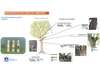
biodiversity specialists. Recently, Bee Friendly and the LPO (League for the Protection of Birds) organized an online conference dedicated to biodiversity in vineyard environments.
The presentation was led by Simon Coutand and illustrated by Benoit Marchadour, who kindly allowed the use of some of their slides.
Inspired by the key ideas presented during this conference, we share how these principles are
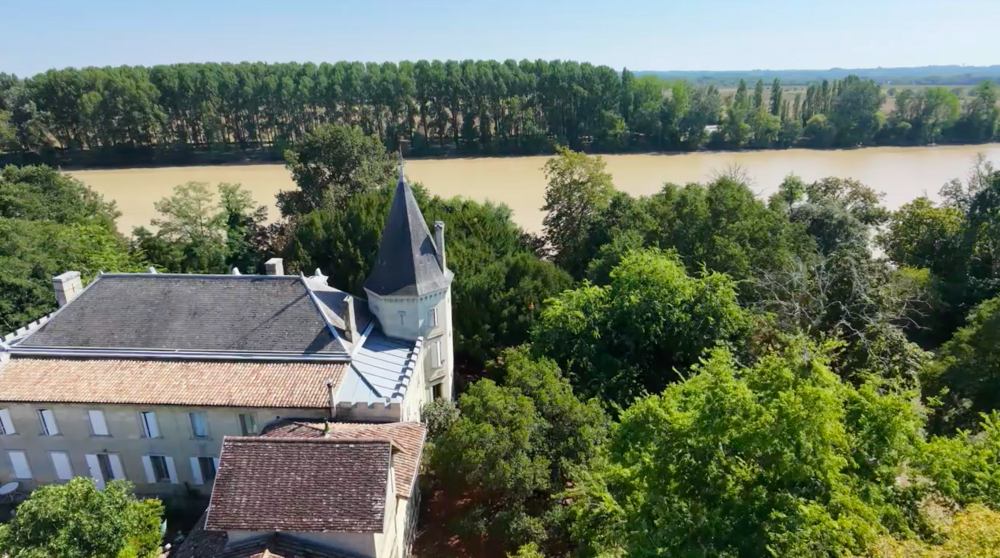
applied in our own vineyards at Domaine Chante Alouette Cormeil and Château Gueyrosse,
located in Saint-Émilion, as well as in the wooded and flowered park bordering the Dordogne River.

Viticulture and Biodiversity: Rethinking the Vineyard Ecosystem
Viticulture is often considered a monoculture, which can sometimes be perceived as less favorable to biodiversity.
However, when a vineyard estate is viewed as a complete ecosystem, biodiversity can play an essential role in maintaining ecological balance.
In sustainable viticulture, biodiversity can become a natural ally of the vine, particularly through three main components of the vineyard landscape:
- grass-covered vineyard rows
- wooded areas and hedgerows
- surrounding natural habitats
These elements help create a balanced environment that benefits both grape production and wildlife.
Biodiversity in the Vineyard: Natural Allies for Healthy Grapes
Encouraging natural grass cover between and around the vine rows, along with planting green manure crops, helps maintain soil life and attract beneficial insects.
This diversity plays an important role in the natural regulation of vineyard pests.
For example, spiders are natural predators that feed on many insects that could otherwise harm the vines.
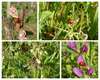
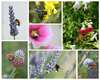
When our green manure mix flowers, crimson clover and vetch attract many pollinators, including:
- hoverflies
- wild bees and honeybees
- bumblebees
- butterflies
- ladybugs
These insects contribute to the ecological balance of the vineyard and support sustainable grape growing.
Where insects are abundant, birds and bats also thrive, making the preservation of their habitats an important aspect of biodiversity management in vineyards.
Trees, Hedgerows and Biodiversity in the Vineyard Landscape
Hedgerows: Natural Shelters for Wildlife
Hedgerows and trees play a crucial role in supporting biodiversity in vineyard landscapes.
Dense, multi-layered hedges with thorny species provide excellent protection for birds.
- Trees offer nesting sites for birds and squirrels.
- Tree cavities and bark cracks serve as natural shelters for bats.
Dead wood left on the ground also creates valuable habitats for insects and contributes to the richness of the ecosystem.
Wooded Areas as Food Sources for Wildlife
Wooded areas also provide nectar, pollen and fruit for many species throughout the year.
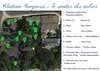
With the help of a botanist, we identified several plant species in our park that contribute to this biodiversity, including:
- linden trees
- strawberry trees
- hazelnut trees
- wild plum trees
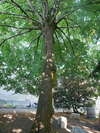
Their fruits and berries provide food for birds and squirrels, especially during autumn on hackberry trees.
Built Heritage and Wildlife Habitats in Vineyards
Biodiversity can also thrive in the historic structures found in traditional vineyard estates.
Old stone walls, barns, attics and even certain barrels can provide shelter for wildlife such as:
- bats
- birds
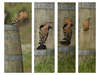
- hoopoes
- little owls (Athene noctua)
These traditional elements of vineyard architecture can become valuable refuges for local fauna.


Sustainable Vineyards and Biodiversity: Working with Nature
Encouraging biodiversity in vineyards does not always require major changes. Sometimes, small
actions can have significant positive impacts.
Observing nature closely allows us to rediscover the richness of the vineyard environment:
- the song of birds
- the return of migratory species
- the diversity of insects
- the presence of majestic trees
- the blooming of wildflowers
- the fragrance of blossoms
- the harvest of honey
- and finally the grape harvest itself
When vineyards are managed with respect for their surrounding environment, they can become
living ecosystems where wine production and biodiversity coexist harmoniously.
Biodiversity in Bordeaux Vineyards | Sustainable Viticulture near Saint-Émilion
Discover how biodiversity supports sustainable viticulture in our Bordeaux vineyards in Saint-Émilion. Pollinators, hedgerows, and natural habitats help maintain a balanced vineyard ecosystem.